Unlocking the Secrets of Timecard Machines: Revolutionize Your Business Efficiency!
In the fast-paced world of modern business, time is a precious commodity. Accurate time tracking is essential not just for payroll but also for assessing productivity and managing resources effectively. Enter the timecard machine—a device that has transformed how businesses monitor employee attendance and hours worked. This article aims to explore the intricacies of timecard machines, delving into their functionalities and the myriad benefits they offer to businesses. Understanding these machines not only enhances operational efficiency but also fosters a culture of accountability among employees.
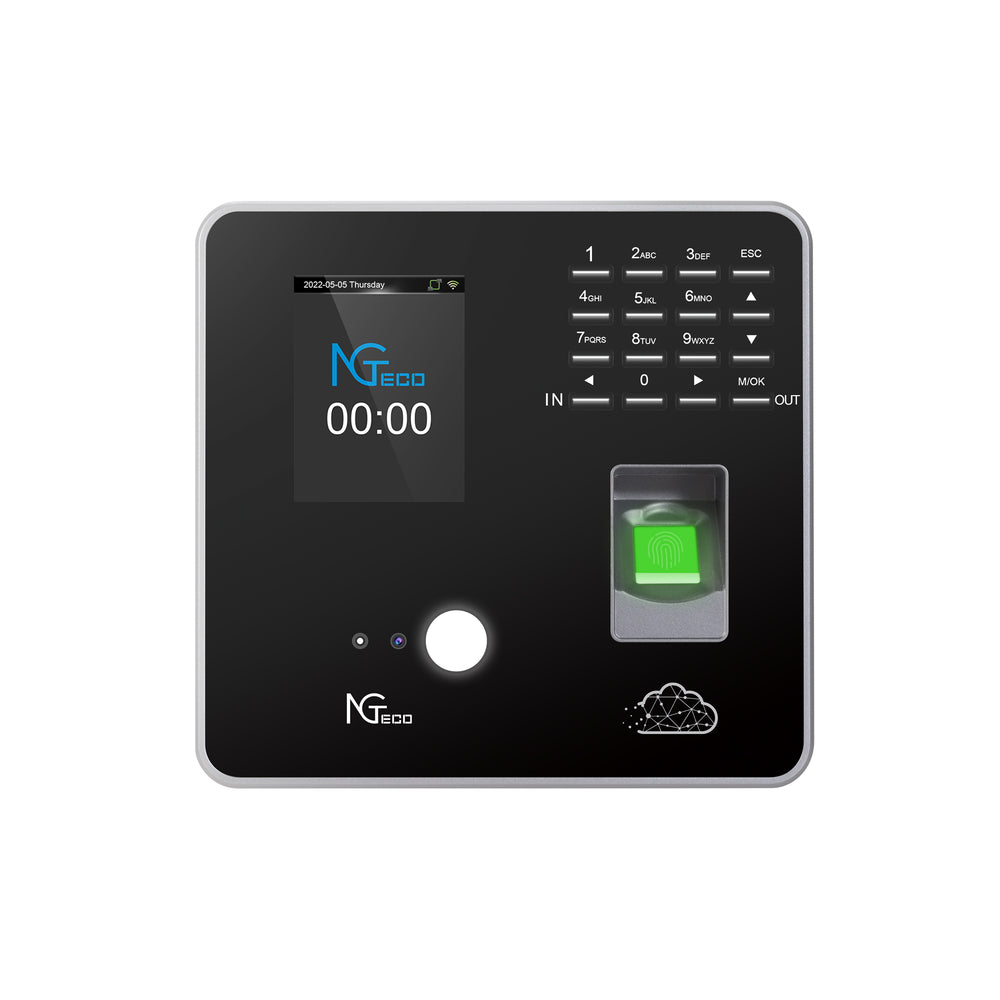
What is a Timecard Machine?
A timecard machine is a device designed to track the working hours of employees. Originating in the late 19th century, timecard technology has evolved significantly. Initially, mechanical timecard machines required employees to manually punch in their start and end times using a physical card. Over the years, advancements in technology have led to the development of electronic and biometric systems. Electronic timecard machines offer automated data entry and storage, while biometric systems ensure accurate identification through fingerprints or facial recognition. This evolution reflects the growing need for more efficient and reliable time tracking solutions in various work environments, from offices to construction sites.
How Do Timecard Machines Work?
The operational mechanics of timecard machines vary based on their design, but the fundamental concept remains the same: recording employee attendance. Traditional mechanical timecard machines require users to insert a card, which is stamped with the current time. In contrast, electronic machines often utilize a keypad or touch screen, allowing employees to clock in and out digitally. Biometric systems add another layer of security and efficiency; employees simply scan their fingerprint or face to register their attendance. Most modern timecard machines are integrated with software that manages the collected data, enabling real-time tracking and reporting, which simplifies payroll processing and reduces errors.
Benefits of Using Timecard Machines for Businesses
Implementing a timecard machine in a business setting comes with numerous advantages. First and foremost, these machines enhance the accuracy of time tracking, minimizing the chances of human error associated with manual entry. This leads to reduced payroll discrepancies and ensures that employees are compensated fairly for their hours worked. Additionally, timecard machines promote accountability among staff; knowing that their attendance is being monitored encourages employees to adhere to their scheduled hours. Furthermore, the streamlined operations offered by automated time tracking free up valuable administrative time, allowing HR personnel to focus on other critical tasks. Overall, these benefits contribute to a more efficient and harmonious workplace.
Choosing the Right Timecard Machine for Your Business
When selecting a timecard machine, several factors warrant consideration. Firstly, assess your business size and industry needs; a small startup may require a simpler system compared to a large manufacturing facility with complex scheduling. Budget is another critical consideration—there are options available at various price points, each offering different features. Additionally, ensure that the timecard machine can integrate seamlessly with your existing systems, such as payroll and HR software. Evaluate key functionalities, such as reporting capabilities and user-friendliness, to ensure the machine meets your operational needs and enhances efficiency.
Summary of Timecard Machine Benefits
In summary, timecard machines are invaluable tools for enhancing business efficiency and accuracy in time management. From their evolution from mechanical devices to sophisticated biometric systems, the benefits they offer—such as improved accuracy, reduced payroll errors, and enhanced accountability—are undeniable. As businesses strive to optimize their operations, implementing a timecard machine could be a transformative step. Whether you run a small business or a large enterprise, considering a timecard machine can lead to significant improvements in how you manage employee time and resources.