Unlocking the Future: How Text Turns Into Captivating Videos with AI Magic
In today's rapidly evolving digital landscape, artificial intelligence (AI) is transforming the way we create and consume content. One of the most exciting advancements in this field is the ability to convert text into engaging videos. This innovative technology is revolutionizing multimedia content creation, allowing individuals and organizations alike to tell their stories through dynamic visuals and sound. As we navigate through an era where attention spans are dwindling, the demand for captivating video content is higher than ever. This article delves into the intricacies of text-to-video AI, exploring how this technology works and its myriad applications across different sectors, from education to marketing and beyond.
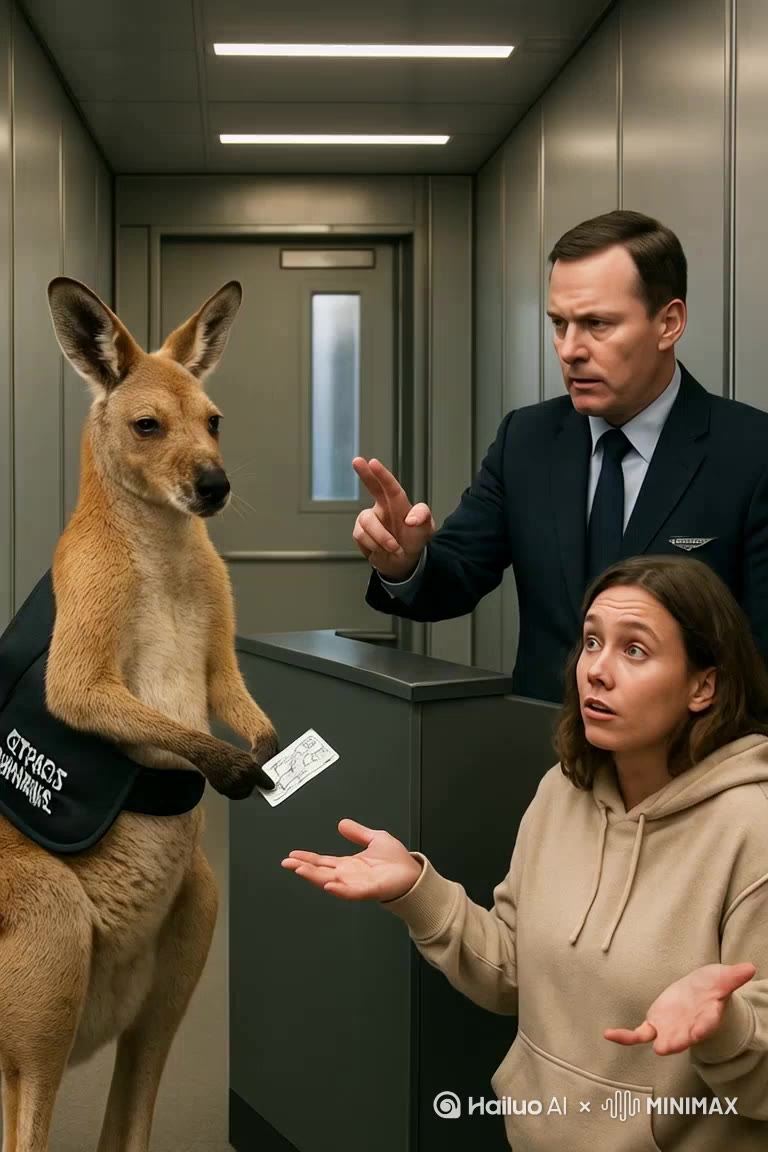
Understanding Text-to-Video AI Technology
At the core of text-to-video AI technology lie several fundamental concepts that work together to create visual narratives from written content. Natural language processing (NLP) plays a critical role by enabling the AI to understand and interpret the meaning of the text. This involves breaking down sentences into their grammatical components and extracting key themes and sentiments. Coupled with NLP is computer vision, which allows the AI to generate relevant visuals based on the analyzed text. It identifies objects, scenes, and actions that align with the narrative and converts them into video snippets. Machine learning algorithms further enhance this process by learning from vast datasets of existing videos and text, helping the AI to improve its accuracy and creativity over time. This integration of NLP, computer vision, and machine learning forms a powerful trifecta that drives the text-to-video conversion process.
How Text-to-Video AI Works
The workflow of converting text into video through AI involves several intricate steps. Initially, the process begins with text analysis, where the AI examines the written content to grasp its context and message. Following this analysis, the AI identifies key visual elements that correspond to the narrative. For instance, if the text mentions a beach scene, the AI will search its visual database for clips of beaches, waves, and people enjoying the sun. Next, the AI constructs a storyboard that outlines how the visuals will unfold in accordance with the text. This storyboard serves as a blueprint for the video. Once the visuals are selected, the AI incorporates audio elements, such as voiceovers or background music, to complement the visuals and enhance storytelling. Finally, the AI synthesizes all these components into a cohesive video that effectively conveys the original message in a visually appealing format. This step-by-step approach ensures that the final product is not only informative but also engaging for viewers.
Applications of Text-to-Video AI
The versatility of text-to-video AI opens up a plethora of applications across various industries. In education, teachers can transform lesson plans or complex topics into animated videos that simplify learning and maintain student engagement. For marketers, this technology offers a novel way to present products or services through compelling video ads, enhancing customer outreach and brand storytelling. In the entertainment sector, writers and creators can visualize scripts or narratives rapidly, enabling more efficient production processes. Social media platforms also benefit from this technology, as users can create eye-catching content from simple blog posts or social media updates, increasing their reach and interaction rates. A friend of mine recently used a text-to-video AI tool to promote her small business online. She was amazed at how quickly she could turn a promotional message into a vibrant video that attracted more customers than ever before. The potential for organizations to leverage text-to-video AI to engage their audiences and elevate their content strategies is immense.
Challenges and Limitations
Despite the tremendous potential of text-to-video AI, there are notable challenges and limitations that must be addressed. One primary concern is the accuracy of the generated content; sometimes, the AI may misinterpret the text or fail to capture the intended emotion, resulting in videos that don’t effectively convey the message. Additionally, creativity can be an issue; while AI can generate visuals based on patterns, it may struggle to produce truly innovative or unique content. Ethical considerations also come into play, as the potential for misuse or the generation of misleading information raises questions about accountability. Ongoing research aims to enhance the capabilities of text-to-video AI, focusing on improving accuracy and exploring new ways to ensure ethical use of this technology. Addressing these challenges will be key to unlocking the full potential of text-to-video AI.
Transforming Content Creation with Text-to-Video AI
In summary, text-to-video AI represents a groundbreaking advancement in content creation, merging technology with creativity to transform how stories are told. The ability to convert text into engaging videos not only enhances user engagement but also opens new avenues for innovation across various industries. From education to marketing and entertainment, the applications of this technology are vast and promising. As we continue to explore and refine text-to-video AI, we stand on the brink of a future where the possibilities for multimedia content creation are limited only by our imagination. Embracing this technology can lead to exciting new ways to connect, inform, and entertain audiences worldwide.