
Top Techniques Used in Commercial Window Routine Cleaning (Modern vs Traditional Methods)
Imagine walking past a gleaming high-rise building on a sunny morning. The glass sparkles so much you can almost see your reflection from across the street. Now imagine the exact same building with streaks, smudges, and bird marks ruining the view. First impressions matter—and for offices, hotels, retail stores, and restaurants, crystal-clear windows are often the difference between looking professional and looking neglected.
In this guide, we’ll dive deep into the top techniques used in commercial window routine cleaning, comparing time-tested traditional methods with cutting-edge modern methods. Whether you manage a small boutique or a 40-story office tower, you’ll discover exactly what works best in 2025, how much time and money each approach saves (or costs), and the practical tips pros use every day. Let’s get those windows shining!
Why Commercial Window Cleaning Is Different from Residential
Before we jump into the techniques, it’s worth understanding why offices, shops, and skyscrapers can’t just use the same ladder-and-squeegee routine you might use at home.
Higher windows often reach 3–50+ stories, larger surface areas sometimes cover thousands of square feet, and schedules are tight—cleaning usually happens before opening or after closing. Stricter safety rules apply (OSHA, ANSI, and IWCA standards), and brand image is everything—one streak can hurt a company’s reputation.
Because of these challenges, commercial cleaners use specialized tools, access systems, and solutions. Let’s explore the two main worlds: traditional and modern.
Traditional Commercial Window Cleaning Techniques (Still Widely Used in 2025)
Even with new technology, many professional companies still rely on the classics—and they work brilliantly when applied correctly.
1. The Classic Squeegee + Scrubber Method
This is the image most people have of a window cleaner.
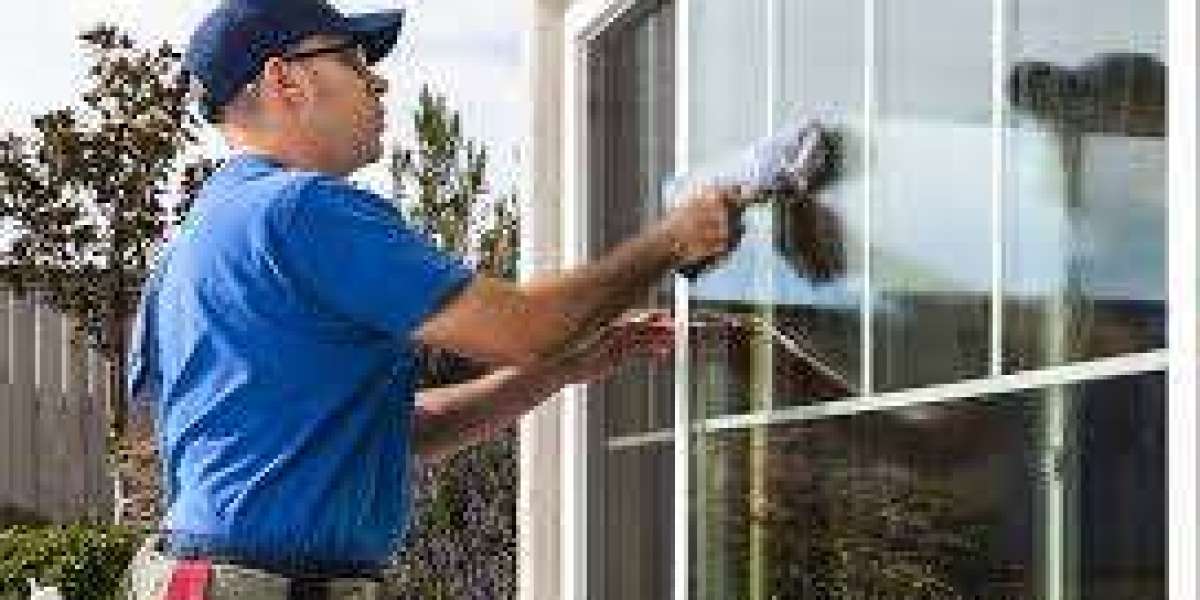
A cotton or microfiber scrubber sleeve wets the glass with soapy solution. Then a professional-grade squeegee (usually Ettore, Unger, or Moerman) removes the water in one smooth stroke. Edges get detailed with a microfiber cloth or scrim.
It shines on low to mid-rise buildings (1–8 stories), interior glass partitions, and storefronts. Most Starbucks locations, bank branches, and small office buildings still use this method every couple of weeks.
Pro tip: Use a 6-inch squeegee for tight spots and an 18-inch for big panes. Change the rubber blade and channel weekly to stay streak-free.
2. The Boomerang (or Wagtail) Technique
A smart Australian invention that’s now global.
The tool combines the scrubber and squeegee on a pivoting head, letting you scrub and squeegee in one motion. It cuts ladder movements by up to 40% and speeds up ground-floor retail jobs by 25–35% compared to standard squeegee work.
3. Ladder + Belt Staging
Still common for 2–4 story buildings.
In 2025 many cities require two-person crews and fall-arrest systems even on extension ladders for safety.
4. Boatswain’s Chair (Bosun Chair) & Rope Descent
The classic skyscraper-dangling method from old photos.
It’s still used on older buildings without modern anchor points, but only highly trained (and highly paid) technicians perform it.
Modern Commercial Window Cleaning Techniques (The Game-Changers)
The last decade brought huge leaps forward. Here are the methods dominating cities in 2025.
1. Water-Fed Pole Systems (Pure Water Cleaning)
The single biggest revolution since the squeegee itself.
De-ionized or reverse-osmosis water with zero dissolved solids gets pumped through lightweight carbon-fiber poles that reach 90+ feet. Soft brushes agitate dirt, pure water rinses everything away, and the glass air-dries completely spot-free.
Over 70% of new commercial contracts in the UK and Australia now require water-fed poles. In the U.S., adoption jumped from about 30% in 2018 to 68% in 2024 according to the latest IWCA survey.
Compared to traditional methods, water-fed poles eliminate ladders and scaffolding (making jobs safer and faster), reach 6–8 stories easily from the ground, leave no chemical residue, and keep windows cleaner longer because pure water removes more contaminants.
A 12-story Marriott hotel in Chicago switched to this system and slashed exterior cleaning time from five days to just 1.5 days per cycle.
Pro tip: Buy a quality TDS meter. Anything under 005 ppm guarantees spotless drying.
2. Robotic Window Cleaners
Robots are no longer science fiction—they’re cleaning skyscrapers today.
Leading 2025 models include Skyline Robotics Ozmo, Verge Aero Robotics, and KITE Robotics in Europe. They attach to roof rigging or the building’s permanent BMU, use AI cameras and suction or vacuum tracks to move across the glass, and clean three to five times faster than human rope-access teams.
They’re expensive (often $400K–$1M+ per unit), but perfect for towers cleaned monthly. One Penn 1 in New York (57 stories) switched to Ozmo robots and cut its exterior cleaning budget by 42% in 2024.
3. Drone Window Cleaning
Growing quickly, though still niche.
Heavy-lift drones carry a cleaning head with rotating brushes and purified water spray while an operator controls everything from the ground. Great for atriums, architectural glass, or quick spot-cleaning after construction. FAA and local regulations still limit widespread use in many U.S. cities in 2025.
4. Automated Building Maintenance Units (BMUs) & Permanent Davit Systems
The luxury option for high-rises.
New skyscrapers built after 2015 (think Hudson Yards or Salesforce Tower) almost all have permanent roof carriages that lower powered platforms. Many now include built-in water reels and even robotic arms.
Modern vs Traditional: How They Really Compare in 2025
Maximum practical height: Traditional methods top out around 4–6 stories safely, water-fed poles handle 20+ stories from the ground, and robotics/BMUs reach 100+ stories effortlessly.
Speed: Squeegee crews average 300–500 sq ft per hour per person. Water-fed pole teams often hit 800–1,200 sq ft per hour. Robotic systems on tall buildings can exceed 3,000 sq ft per hour.
Safety: Ladder and bosun-chair work still cause the majority of fall-related incidents. Water-fed poles and robotics have near-zero fall risk from height.
Cost per cleaning: Traditional remains cheapest for low-rise (under 4 stories). Water-fed poles break even around 5–8 stories. Robotics and BMUs save the most on 20+ story buildings cleaned frequently.
Eco-impact: Pure-water systems use zero chemicals and far less water than pressure washing. Traditional soap solutions can run into storm drains if not managed properly.
Common Mistakes and Myths Busted
Myth 1: “Vinegar and newspaper is just as good for commercial jobs.” Reality: It leaves lint and streaks on large panes and takes forever.
Myth 2: “Pure water systems are only for residential.” Reality: They now dominate mid-rise commercial work worldwide.
Mistake: Using regular tap water with a water-fed pole. Hard water spots appear the moment it dries.
Mistake: Skipping frame and sill cleaning. Dirty frames make even spotless glass look bad within weeks.
Practical Tips Every Facility Manager Should Know
- Schedule cleaning every 4–12 weeks depending on location (more often near roads or oceans).
- Ask for proof of insurance and OSHA-compliant training—no exceptions.
- Get quotes for both traditional and water-fed pole methods; the cheaper quote isn’t always the better value.
- Consider annual contracts—most companies discount 10–20% for committed schedules.
- For high-rises, check if your building already has anchor points or a BMU; it can slash future costs dramatically.
Final Thoughts
Both traditional and modern window cleaning techniques have their place in 2025. In commercial window routine cleaning, low-rise storefronts and interior glass still rely on the classic squeegee shine. Mid-rise offices are switching to water-fed poles in droves for speed and safety, while ultra-tall towers are turning to robots and permanent BMUs to save millions over time.
The best choice depends on your building height, budget, cleaning frequency, and local regulations—there’s no one-size-fits-all anymore.