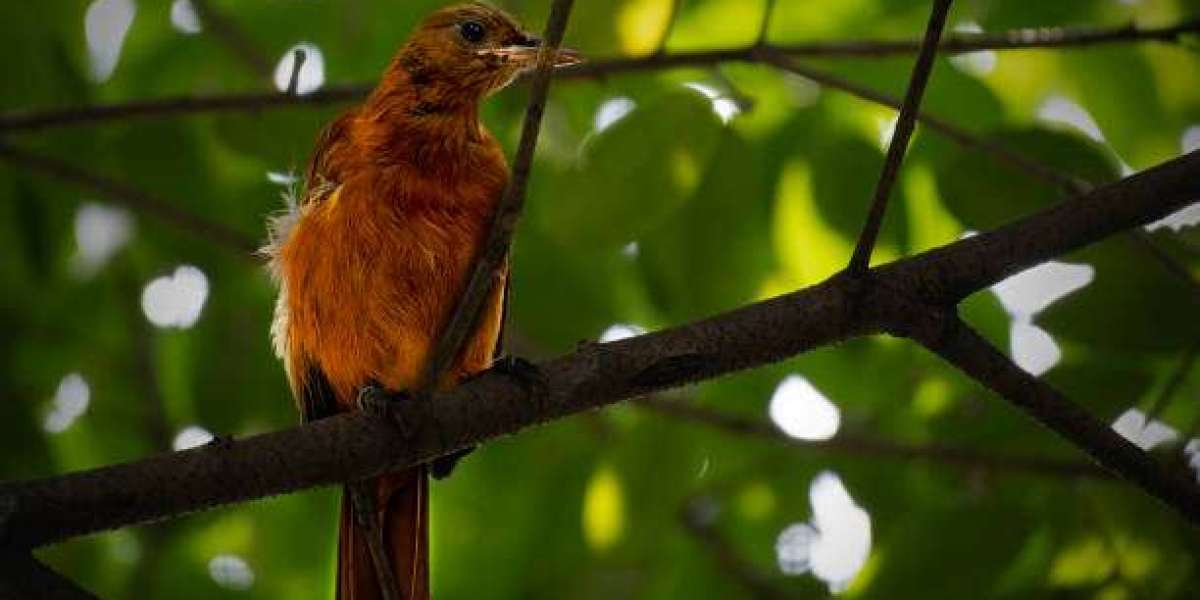

The Pitohui — a brightly colored bird from Papua New Guinea — looks harmless at first glance. But behind its beautiful feathers lies a shocking secret: this bird is poisonous. Known for carrying one of the world’s strongest natural toxins, it raises a serious question…
Can humans actually die from touching a Pitohui?
No, humans will not die from simply touching a Pitohui. However, the toxins in its feathers and skin — mainly batrachotoxin — can cause numbness, burning sensations, or irritation if contact occurs. The poison is dangerous, but the dose transferred through casual touch is too low to be lethal for humans.
What Makes the Pitohui Poisonous?
Pitohuis are among the only known poisonous birds on Earth. Their feathers, skin, and sometimes even their muscles contain batrachotoxin — the same lethal toxin found in poison dart frogs.
Scientists believe Pitohuis don’t produce the poison themselves. Instead, it comes from their diet, especially toxic beetles that store batrachotoxin. Over time, these toxins accumulate in the bird’s tissues, making the Pitohui unpleasant — and dangerous — to predators.
For humans, the real risk comes from handling the bird with bare hands, especially if the toxin enters open cuts, eyes, or the mouth.
Can Touching a Pitohui Be Deadly?
Here’s the truth — touching a Pitohui is not lethal to humans.
The amount of toxin on the feathers is enough to cause irritation but not enough to kill.
Most documented reactions include:
Burning or tingling sensation on skin
Numbness lasting minutes to hours
Mild pain if the toxin enters a cut
Sneezing or coughing if feathers are inhaled
To reach a lethal threshold, a person would need a high dose of batrachotoxin delivered directly into the bloodstream — something that casual touch cannot provide.
The real threat is to predators that might try to eat the bird, not humans who briefly touch it.
Why Do People in Papua New Guinea Handle Pitohuis Safely?
Locals have known about the Pitohui’s toxicity for generations. They avoid handling the birds unnecessarily, but when contact is unavoidable, they follow simple practices:
Avoid touching the eyes or mouth afterward
Wash hands immediately
Do not consume the bird without removing skin and feathers
Some tribes refer to the Pitohui as the “rubbish bird” because it tastes terrible and causes mouth burning if improperly prepared. Even then, documented cases show discomfort — not death.
This cultural knowledge reinforces what science confirms:
The toxin is strong, but the exposure level from touch is not fatal.
When Can the Toxin Become Dangerous?
While touch alone isn’t deadly, certain situations can increase risk:
Open wounds or cuts
The toxin can enter the bloodstream more efficiently, causing stronger numbness and potential muscle weakness.
Handling fledglings
Young birds often have concentrated toxins in their down feathers.
Accidental ingestion
Putting hands near the mouth, touching food afterward, or inhaling feather dust can cause intense burning or nausea — still not deadly, but very uncomfortable.
Long exposure
Researchers handling Pitohuis for extended periods reported prolonged numbness in their hands, though no long-term health issues.
So yes — the Pitohui can cause problems, but not fatal ones.
Why Is the Pitohui’s Poison So Strong?
From an evolutionary standpoint, the Pitohui’s toxin works brilliantly:
Deters predators — anything that tries to eat it gets a mouthful of burning poison.
Discourages parasites — lice and ticks avoid the bird.
Signals danger visually — its bright plumage warns attackers, similar to poisonous frogs and insects.
It’s a powerful survival strategy, but humans are not its target. Our larger body size and limited exposure to the toxin make it far less dangerous to us.
Should You Be Scared of the Pitohui?
Not at all.
Despite its venomous reputation, the Pitohui is not aggressive, does not attack humans, and poses minimal danger unless deliberately handled.
Birdwatchers and scientists take basic precautions but continue to study the species safely.
Instead of fear, the Pitohui inspires fascination — it’s a rare example of a poisonous bird, a creature that challenges what we think we know about the natural world.
Conclusion
Touching a Pitohui will not kill you, but it can cause burning, tingling, or numbness — especially if the toxin reaches sensitive areas. The danger is real, but the dosage received through casual contact is too weak to be fatal for humans.
The Pitohui’s poison is a remarkable evolutionary defense meant for predators, not people. Understanding how it works helps us appreciate just how strange and extraordinary nature can be.
FAQs
Does touching a Pitohui kill humans?
No. Touching the bird can cause irritation, but the toxin level is not high enough to be fatal.
What happens if the toxin gets into cuts or eyes?
It may cause burning, numbness, or temporary pain, but it still isn’t deadly.
Are all Pitohui species poisonous?
No. The Hooded Pitohui and Variable Pitohui are the most toxic, while others have lower toxin levels.
Can the toxin spread through the air?
Only feather dust can irritate the nose or throat, but it poses no lethal risk.
Why are Pitohuis poisonous in the first place?
Their diet of toxic beetles loads their feathers and skin with batrachotoxin as a defense mechanism.