Discover the Secret to Pure Water: Unveiling the Magic of Countertop Reverse Osmosis Systems!
In an age where clean drinking water is more critical than ever, the quality of our water sources has come under increasing scrutiny. Many people are becoming aware of the potential contaminants that could be lurking in their tap water, prompting a growing concern for water quality. One effective solution to tackle this issue is reverse osmosis—a powerful filtration method that helps remove impurities, ensuring the water we consume is safe and pure. This article will delve into countertop reverse osmosis systems, a convenient option for achieving clean drinking water right in your kitchen.
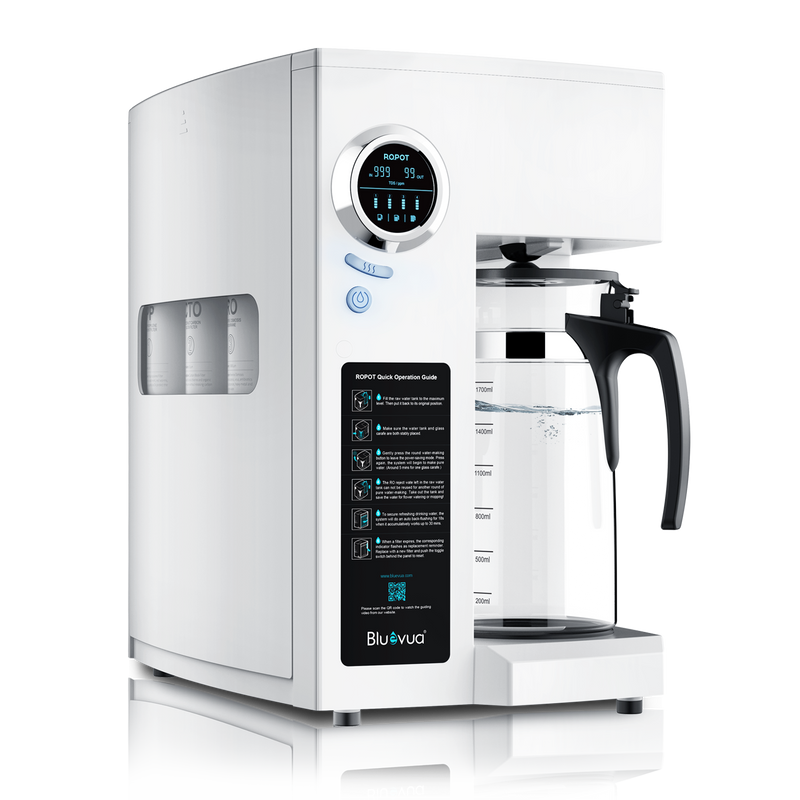
Understanding Countertop Reverse Osmosis Systems
Countertop reverse osmosis systems are compact water filtration units designed to sit atop your kitchen counter, providing a dedicated source of purified water. Unlike traditional water filtration systems that may only use activated carbon or other basic methods, countertop reverse osmosis systems utilize the advanced technology of reverse osmosis to deliver superior water quality. This system is particularly beneficial for those who may not have the space or resources for a full-fledged under-sink system, offering a user-friendly and efficient way to access clean water without the need for professional installation. Essentially, they serve as a powerful solution for households looking to improve their water quality without significant investment or complicated setup.
How Countertop Reverse Osmosis Systems Work
The process of reverse osmosis involves pushing water through a semi-permeable membrane that filters out contaminants at a molecular level. This intricate system typically operates in several stages, each designed to enhance the quality of the water. Initially, the water passes through a pre-filter that removes larger particles like sediment and chlorine, which can affect taste and odor. After this, the water is forced through the reverse osmosis membrane, effectively separating impurities such as heavy metals, bacteria, and other harmful substances from the clean water. Finally, a post-filter may be used to remove any residual taste or odor from the water, ensuring that the end product is as fresh and pure as possible. Understanding this multi-step process helps illuminate why reverse osmosis is such an effective method for producing clean drinking water.
Key Components of the System
A countertop reverse osmosis system is made up of several crucial components that work together to purify water. The first is the pre-filter, which captures larger particles and protects the subsequent filters from clogging. Next, the heart of the system is the reverse osmosis membrane, a thin layer that acts as a barrier to contaminants, allowing only water molecules to pass through. Lastly, the post-filter refines the water even further, polishing it to ensure excellent taste and quality. Each part plays a vital role in the filtration process, highlighting the importance of maintaining the entire system for optimal performance.
Benefits of Using a Countertop Reverse Osmosis System
The advantages of using a countertop reverse osmosis system are significant. Firstly, they improve the overall quality of water, effectively removing harmful contaminants that can pose health risks. This leads to better-tasting water, which is an essential factor for many people when it comes to hydration. Additionally, these systems offer great convenience, allowing you to fill your glass directly from the faucet without the need for bulky bottles or frequent trips to the store. Over time, using a countertop reverse osmosis system can also be more cost-effective compared to buying bottled water, as it eliminates the need for ongoing purchases and reduces plastic waste. For my friend Lisa, switching to a countertop reverse osmosis system transformed her family's hydration habits, making it easier for her kids to drink enough water throughout the day.
Installation and Maintenance Considerations
Installing a countertop reverse osmosis system is generally straightforward, requiring minimal tools and no professional assistance. Most systems simply connect to your kitchen faucet, necessitating a bit of counter space. It's important to consider the size and design of the unit to ensure it fits comfortably in your kitchen environment. Maintenance is also manageable, typically involving changing the filters every six months to a year, depending on usage and water quality. Regular maintenance ensures that the system continues to function effectively and that you consistently enjoy clean, purified water. A friend of mine who installed a system reported that the process was hassle-free, and the benefits far outweighed the minor upkeep involved.
Enhancing Your Water Quality with Countertop RO Systems
In conclusion, countertop reverse osmosis systems offer an effective solution for those seeking to improve their drinking water quality. Through their advanced filtration process, they ensure that the water you consume is free from harmful contaminants, providing peace of mind for you and your family. As the importance of clean water continues to grow, investing in a countertop reverse osmosis system stands out as a practical and accessible choice for enhancing your hydration habits. If you're considering ways to elevate your water quality at home, a countertop reverse osmosis system might just be the answer you've been looking for.