Unleash Your Creativity: Craft the Perfect Custom Phone Case That Turns Heads!
In a world where smartphones have become an extension of our personalities, DIY phone cases are rapidly gaining popularity. These unique creations allow individuals to express their style, creativity, and even their moods right through their devices. The beauty of crafting your own phone case lies not only in personalization but also in the protection it offers to your precious gadget. Instead of settling for generic designs, why not unleash your inner artist and create something that truly reflects who you are? This article aims to guide you step-by-step through the process of making your very own custom phone case, ensuring that you’ll have a one-of-a-kind accessory that turns heads wherever you go.
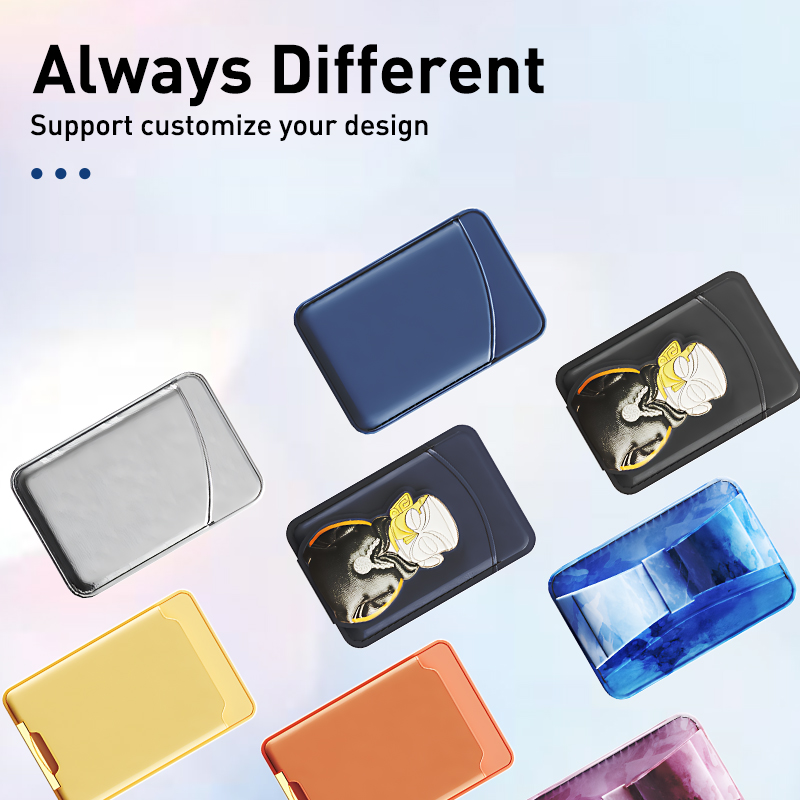
Choosing Your Base Material
The first step in your DIY phone case journey is selecting the right base material. There are several options to consider, each with its own set of pros and cons. Silicone cases are popular for their flexibility and shock-absorbent qualities, making them ideal for those who often drop their phones. Plastic is another common choice; it can be molded into intricate designs and is relatively lightweight. However, while plastic can provide a sleek look, it may not offer the same level of protection as silicone.
If you’re feeling adventurous, wood can be an excellent choice for a rustic touch. A wooden phone case can be both durable and aesthetically pleasing, though the crafting process may require more effort. Finally, fabric cases allow for incredible creativity, as you can choose any pattern or color that resonates with you. However, keep in mind that fabric may not be as protective as other materials. Ultimately, your choice should reflect your personal style and how much protection you need for your device.
Designing Your Phone Case
Once you’ve settled on a base material, it’s time to dive into the design phase. Start by brainstorming ideas that inspire you. Consider what colors, patterns, and themes resonate with your personality. Do you love nature? Maybe a floral pattern or a landscape design could be your muse. Are you into abstract art? Consider bold colors and geometric shapes to make a statement.
Sketching your ideas can help clarify your vision. Use a sketchbook or even a digital app to map out your design. Don’t hesitate to draw inspiration from current trends, art you admire, or even your favorite quotes. Remember, this is your chance to reflect who you are, so let your imagination run wild! Experiment with different layouts and designs until you find one that feels just right.
Crafting Techniques for Your Phone Case
With your design in hand, you can now explore various crafting techniques to bring it to life. A popular method is painting your phone case. If you’re using a plastic or wood base, acrylic paints work wonderfully. Start by applying a base coat, allowing it to dry completely before adding your design. You can use brushes for detailed work or sponges for a more textured look.
Another fun technique is decoupage. This method involves applying cut-out images or patterns onto your base material using a special glue. To start, gather images that resonate with your design. Once you have them, layer them onto your case and seal everything with a topcoat for durability. Embossing is also a great option that adds a three-dimensional effect to your design. You can achieve this by using heat tools to create raised areas in your chosen material.
For those who enjoy a more tactile approach, consider incorporating fabric elements. You can sew or glue fabric pieces onto your base for a soft, unique finish. Whichever technique you choose, make sure to follow step-by-step instructions to ensure a polished final product that you’ll be proud to show off.
Adding Personal Touches
Now that you’ve crafted the base of your phone case, it’s time to add those personal touches that make it truly unique. This is where your creativity can shine! Consider incorporating photos of loved ones, stickers that represent your hobbies, or even small embellishments like gems or beads to add flair. You could also write a meaningful quote or phrase on your case to inspire you every time you reach for your phone.
Don’t be afraid to mix and match different elements. Layering various materials can create depth and interest. If you’re feeling particularly adventurous, try using mixed media by combining painting, collage, and fabric techniques. The possibilities are endless, so let your imagination guide you as you personalize your phone case to match your style!
Craft Your Unique Phone Case
In this article, we’ve explored the wonderful world of DIY phone cases, from choosing your base material and designing your case to crafting techniques and personalizing it to perfection. By taking the time to create your own unique phone case, you not only protect your device but also express your individuality in a fun and creative way. We encourage you to unleash your creativity and dive into this rewarding project. The satisfaction of crafting something that is uniquely yours is invaluable, and we would love to see your creations. So, grab your materials and start crafting your one-of-a-kind phone case today!